
BY: Aaron Verty
Uncategorized
Comments: No Comments
Beyond Awareness: Embracing Autism Acceptance and Celebrating Real Wins

Autism Awareness Month is evolving into something more powerful: a push for genuine Autism Acceptance. At Change for Life, we love the conversation that is rising with deepened understanding. While awareness tells us autism exists, acceptance celebrates it as a valid way of being, one that validates and brings forward the distinctive strengths, fresh perspectives, and tangible value to our world when we create spaces for them.
We thought we’d share some light on the magnificence of what it looks like when autism is not only accepted but truly embraced and celebrated.
Take Temple Grandin, for example. Her unique ability to think in vivid pictures and deeply sense the world from an animal’s perspective allowed her to redesign livestock handling systems in a magnificent way. She noticed stressors others missed: sharp shadows, dangling chains, sudden noises. She would then proceed to redesign the systems with curved chutes and calmer environments. Her innovations are now used across much of the industry, improving animal welfare, reducing stress and injury, and enhancing safety for workers. That same detail-oriented, systems-focused approach powers breakthroughs in tech, design, quality control, and beyond.
Chris Packham’s journey is also a beautiful example. The much-loved British naturalist and BBC presenter was diagnosed with autism (then called Asperger’s syndrome) at the age of 44. For decades he had felt different, struggled with social situations, and even loathed parts of himself without knowing why. But once he received his diagnosis, he fully embraced it. The knowledge gave him an incredible sense of autonomy and the language to express himself to others which allowed others to better understand him. That is true power! He now speaks openly about how his autistic mind gives him an extraordinary ability to focus with intense clarity on the natural world, noticing tiny details, patterns, and behaviours in wildlife that others often miss. This unique way of seeing has shaped his entire career, from his passionate documentaries to his role on Springwatch, where his deep connection to nature has inspired millions. He describes autism not as something to hide or fix, but as a different ability that lets him engage with the world in a richer, more vivid way.
Stories like these remind us of the power of embracing autism. When we make space for autistic minds to work in their natural way, with deep focus, pattern recognition, and original thinking, we unlock profound creativity, insight, and solutions that benefit everyone. Autistic individuals often bring a refreshing honesty, precision, and passion that strengthens teams, designs, and communities in quiet but powerful ways.
Here at Change for Life, we celebrate how psychology is stepping up in this shift too. The field is moving away from old deficit-focused models that aimed to “fix” autistic traits. Neurodiversity-affirming psychologists now prioritise collaboration, ongoing learning about autistic experiences, and practical support. This includes validating sensory needs, adapting communication styles, reducing pressure to mask, and working with individuals to build genuine self-understanding and advocacy. The goal is creating safer, more enabling environments whether in therapy, workplaces, or communities, so autistic people can thrive as their powerful, true and authentic selves. Recent consensus from psychologists and autistic adults highlights key principles: authenticity, humility, person-centred flexibility, and true appreciation of autism as a valuable neurotype.
When we move from mere awareness to acceptance, the ripple effects are beautiful and far-reaching. We create spaces where honesty, precision, and original thinking can flourish. Communities become richer with diverse perspectives, and we all gain from the integrity and passion that autistic individuals bring when they feel truly welcomed.
This month, let’s celebrate these real wins: the industry-changing insights, the worlds of wonder brought to life, the precise thinking that strengthens systems, and the integrity that builds trust. Let’s amplify autistic voices, commit to practical changes, and make true acceptance the everyday standard.
A world that fully embraces autism is more wholesome. A world that embraces both awareness and acceptance gains sharper insight, deeper honesty, and more innovative solutions. For us at Change for Life, that’s something worth celebrating every day!
Happy Autism Awareness Month
The Change for Life Team!
BY: Aaron Verty
Uncategorized
Comments: No Comments
Importance of communication in challenging behaviour
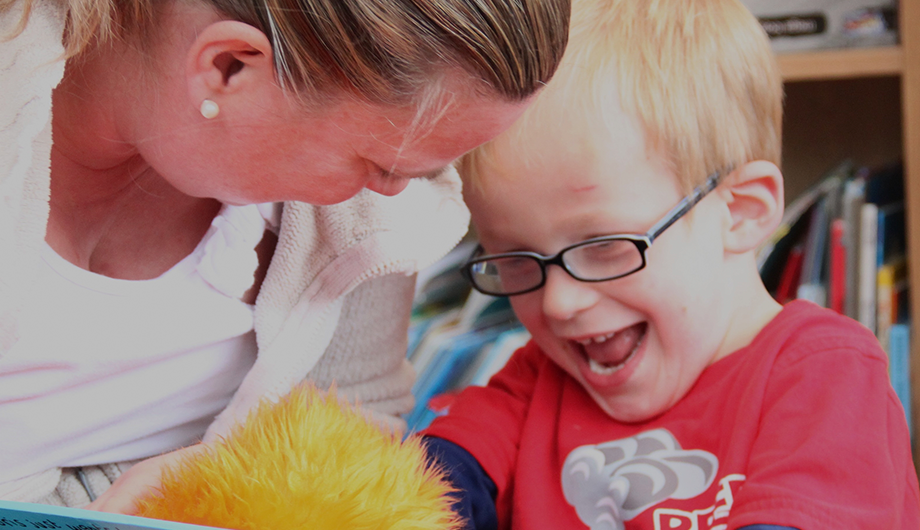
There are moments in parenting where behaviour can feel overwhelming, especially when it seems to come out of nowhere. But often, behaviour isn’t random, it’s a form of communication. For many children, particularly when language is still developing, behaviour becomes the way they express their needs, feelings, or frustrations. When a child doesn’t yet have the tools to say what they need, their actions often speak for them.
Communication and behaviour are closely connected, so when children struggle to express themselves clearly, frustration can build pretty quickly, and that frustration might show up as meltdowns, avoidance, or resistance. Research shows that when communication is difficult, the likelihood of challenging behaviour increases. Understanding this can help shift the focus from “Why is this happening?” to “What might my child be trying to tell me?”
When children start to feel understood, even in small ways, it can make a real difference. Being able to express a need or having someone respond to their attempt at communication can reduce that feeling of being unheard. Over time, this can lessen the need for behaviour to take over as the main way of communicating.
As communication skills begin to grow, children often find more appropriate ways to get their needs met. Instead of relying on behaviour, they might start to ask for help, request a break, or show what they want in clearer ways. These changes don’t happen all at once, but even small shifts can make everyday moments feel a bit easier.
Communication also plays a big role in emotional expression. Children don’t always have the words for big feelings, and without a way to express them, those emotions can come out through behaviour. Supporting communication gives them a starting point to label and share how they feel, even if it’s just in a simple way at first.
You might notice that when communication improves, everyday interactions start to feel smoother. Things like asking for something, sharing a moment, or responding to each other can become less stressful and more positive. It doesn’t mean everything is perfect, but it can take some of the pressure off.
Consistency can really help here too. When the same communication approaches are used across daily routines, children begin to recognise patterns and feel more secure in what to expect. That sense of predictability can help reduce confusion and support calmer responses.
Over time, as children develop stronger ways to express themselves, they often become more independent. Instead of relying on others to figure out what they need, they start to communicate it more clearly on their own. This can reduce frustration for everyone and build their confidence.
At the heart of it all, communication is about connection. When children feel heard and understood, it strengthens trust and the relationship you share. And while progress might feel slow at times, those small moments of understanding really do add up to something meaningful.
BY: Aaron Verty
Uncategorized
Comments: No Comments
Happy Neurodiversity Week from the Change for Life Team!
Neurodiversity Celebration Week is far more than a date on the calendar or a series of awareness posters. It’s a powerful invitation to rethink and redefine our understanding of the definition of what is considered “normal” and to with informed knowledge, evolve and adjust.
At its core, neurodiversity affirms that every person processes the world, emotions, and information through a unique neurological lens. Whether it’s a child taking their first steps in primary school, a young adult finding their place in the workforce, or someone navigating later life, neurodivergence is not a phase. It is a lifelong part of identity that doesn’t need to be cured or fixed. It simply deserves to be understood and celebrated at every stage.
This week calls us to move beyond tolerance toward genuine respect and appreciation. Too often, the focus stays on challenges and deficits. Yet the real story lies in the extraordinary strengths: the unique way of thinking, the creative leaps, and the wholesome and grounding honesty that different minds bring. Celebrating neurodiversity means creating a world where people no longer have to exhaust themselves masking to fit in: a world that expands to welcome them instead.
Psychology and psychologists have a vital, evolving role to play in this shift. For too long, our field leaned into a medicalised, deficit-based model that sought to “fix” or standardise behaviour. Today, many of us are proudly moving toward neurodiversity-affirming practice. We are no longer fixers, rather, we are allies and translators.
We help individuals better understand, and exercise autonomy over their own internal operating system. We adapt therapeutic approaches to honour sensory needs, communication styles, and cognitive patterns rather than demanding conformity. We support self-advocacy, train organisations and schools, and advocate for environments that remove barriers instead of forcing people to shrink themselves to fit outdated systems.
When we celebrate neurodiversity at every life stage: from early childhood curiosity to the deep wisdom of older age, everyone benefits. Teams and communities gain fresh perspectives, classrooms unlock hidden potential, and society becomes richer, more innovative, and more resilient.
This Neurodiversity Week (and every week after), let’s do more than raise awareness.
Let’s redesign the systems we inherited. Let’s listen harder, make space, and allow every neurodivergent mind to flourish.
Because a world that truly embraces neurological difference isn’t just kinder, it’s smarter, more creative, and infinitely more alive.
With love,
Change for Life!
BY: Aaron Verty
Uncategorized
Comments: No Comments
The Importance of Communication in the Home

The Importance of Communication in the Home
Sometimes the hardest part of parenting isn’t the behaviour itself, it’s the feeling that your child is trying to communicate something important and you’re not quite sure what it is. For our children, this often happens when they know what they want or feel but don’t yet have the words or tools to communicate it clearly.
For parents, it can feel equally difficult when you are trying to understand your child and support them, but the message still feels lost somewhere in between. These moments can leave both sides feeling overwhelmed. As therapists, we see this often, and it’s important to recognise that this experience is very human. Both the child and the parent are trying to connect.
When the path to understanding just needs a little guidance, it doesn’t mean something is wrong with the relationship; it simply means the bridge between understanding one another needs a little more support. The good news is that communication is a skill that can grow, and with the right support, difficult moments can slowly turn into moments of connection.
When communication is difficult, behaviour often becomes the way a child’s message is heard. What may appear as challenging behaviour is often a child trying to communicate something important. This can look like meltdowns, dysregulation, avoidance, or heightened agitation. It is also very common for behaviours to change depending on the setting. A child may respond one way at school, another at home, and differently again with therapists. As therapists, we work alongside families to understand what behaviour may be communicating and help children develop the tools they need to express themselves more clearly.
Many communication skills grow during normal daily activities, such as mealtimes, playtime, getting dressed, or bedtime. As therapists, we can help parents recognise these natural opportunities and show simple ways to encourage children to request, label, or express their needs during these moments.
Sometimes the most effective support is simply seeing what works. We can demonstrate practical strategies such as pausing to give children time to respond, offering simple choices, or expanding on the words a child uses. These small changes can make a big difference, and once we see them in action, they become powerful tools that families can use naturally throughout the day.
When behaviour that challenges others emerges, it can feel confusing or overwhelming. We are here to help families see beyond the behaviour and consider what the child may be trying to communicate. Understanding the “why?” behind behaviour often makes it easier to respond calmly and effectively.
Consistency is one of the most powerful tools in supporting communication development. When families use the same approaches that are practised in sessions, children begin to recognise patterns and expectations, making it easier for them to practise new communication skills throughout the day.
Communication development often happens in small steps. Therapists help families recognise and celebrate those moments, whether it’s a child pointing to a request, using a new word, or expressing a feeling. These small wins build confidence for both the child and the family.
At the heart of it all, communication is about connection. When families feel supported and confident using strategies at home, children are given more opportunities to express themselves, be understood, and feel heard in the moments that matter most.
BY: Aaron Verty
Uncategorized
Comments: No Comments
Learning Through Creativity

Learning Through Creativity
Children are naturally curious about the world. We can offer them a paintbrush, a new song, a funny costume, and suddenly learning becomes an adventure. Creativity has a way of opening doors!
When children are invited to imagine, explore, and play, they become more motivated to participate. What might feel like “work” in another setting can suddenly feel exciting simply because it’s decorated in curiosity and fun.
At Change for Life, we explore monthly themes, this month being “Around the World,” which invites children to become little explorers. One day, they might be painting a flag to represent them, the next creating passports to explore the continents, or pretending to pack their bags for a trip to Antarctica. These small creative moments help children experience learning in a way that feels alive. They aren’t just hearing about the world, they are stepping into it.
For children, novelty can be a powerful way to spark interest and engagement. When something feels new or a little different, it naturally captures attention. Even familiar skills can feel exciting again when they are introduced through simple, hands-on activities. For example, making meatballs during sensory play while exploring Italy, or creating colourful oriental-style fans from recycled materials while learning about different cultures, can turn everyday activities into playful learning experiences. These kinds of moments allow children to explore new ideas while still practising important skills like communication, turn-taking, and creativity. Novelty doesn’t have to be complicated; it’s often the simple activities that spark the most curiosity and joy.
Motivation grows when children feel engaged in what they are doing. Creative learning taps into imagination and play, which are some of the strongest motivators for children. When a child is pretending to travel the world, cooking a simple recipe from another culture, or creating their own “passport” to stamp after each activity, they aren’t just learning facts, they are part of the experience. This sense of participation can help children feel confident and excited to try new things.
Creativity also creates natural opportunities for communication and connection. A craft activity might lead to children describing colours or shapes. A pretend “airport check-in” game might encourage asking for help or taking turns. A dance from another culture might bring laughter, movement, and shared joy. These moments are powerful because they combine learning with genuine engagement.
At its heart, creativity reminds us that learning doesn’t always have to be quiet or structured. Sometimes it looks like children painting with bright colours, pretending to fly across the globe, tasting new foods, or laughing while learning a new dance. When curiosity, novelty, and motivation come together, learning becomes something children want to be part of.
And when children are excited to learn, the possibilities for growth are endless.
BY: Aaron Verty
Uncategorized
Comments: No Comments
Why Gratitude Could Be the Most Underrated Tool for Well-being

Have you ever paused at the end of the day and thought, “What went well today?” If not, you might be missing out on one of the simplest — yet most powerful — tools to improve your mental and physical health.
Science now tells us that gratitude is more than polite manners or “good vibes.” It’s a practice that can genuinely shape how we experience life. As noted in a recent Psychology Today article, people who regularly take stock of what they’re thankful for — even in small ways — report higher life satisfaction, increased happiness, better sleep, and greater resilience in the face of stress. Psychology Today
Why it matters
-
Improves mental health & emotional resilience
In our daily lives — whether in parenting, work, or caring for others (as many of us do) — stress and fatigue can build up quickly. Practising gratitude offers a natural antidote. By focusing on what is going right, we shift our mindset away from negativity, leading to improved mood, less emotional burn-out, and better coping with challenges. -
Supports physical health
Gratitude doesn’t just benefit the mind. The article points out emerging evidence that gratitude correlates with positive health markers — including reduced risk factors for chronic disease. Things as simple as better sleep and lower fatigue can accumulate over time, supporting overall well-being. Psychology Today -
Easy to practise — doable by anyone, anytime
You don’t need a special retreat, a spiritual ritual, or tons of time. One of the most effective gratitude practices is simply writing down “three good things” each day, and noting how you contributed to them. It could be as simple as enjoying sunny weather outside, sharing a laugh with a friend, or taking a moment alone to breathe. Doing this daily helps rewire how you view your life — not as a series of burdens, but as a collection of small, meaningful moments. Psychology Today+1
Trying it yourself — a simple 5-minute gratitude ritual
-
Grab a notebook (or open a note on your phone) at the end of your day.
-
Write down 3 things that went well — big or small.
-
For each item, note how you contributed to it (this reinforces a sense of agency and connection).
-
Pause for a moment and really “feel” the gratitude. Notice how your body relaxes, how your mood shifts.
-
Repeat daily.
Many people underestimate how small, consistent actions can lead to big shifts. But gratitude — humble, honest, and habitual — has a growing body of scientific support. Whether you’re a parent, a practitioner, a carer, or simply someone juggling life’s ups and downs: a few minutes of gratitude each day might just help you carry a little more calm, clarity, and contentment into your tomorrow.
BY: Aaron Verty
Uncategorized
Comments: No Comments
Building Better Behaviour: How ABA Helps Shape Positive Daily Routines
Building Better Behaviour: How ABA Helps Shape Positive Daily Routines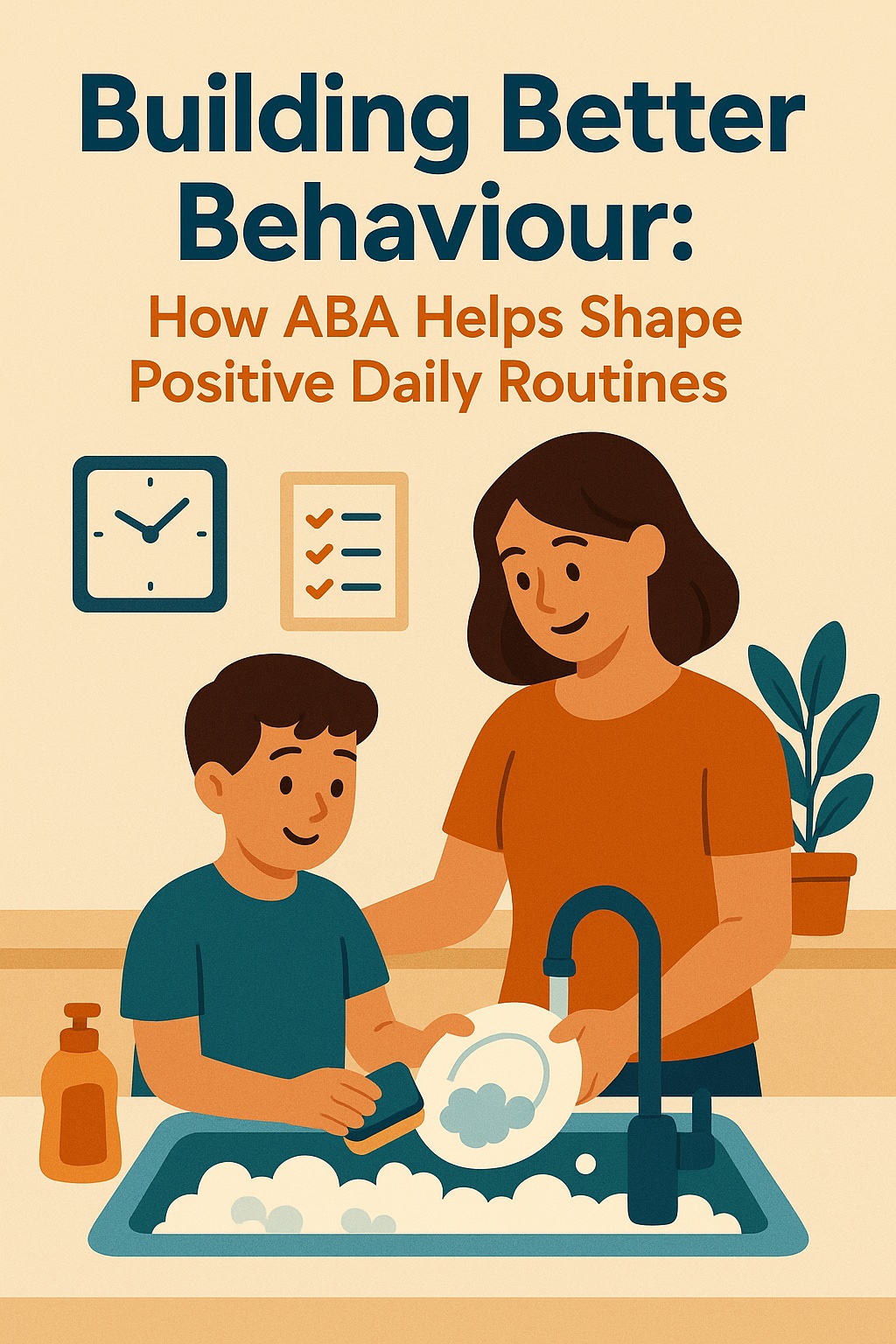
Daily routines are a crucial part of family life, but for children with autism or other developmental challenges, they can often be a source of stress and frustration. Routine tasks like getting dressed, brushing teeth, transitioning from one activity to another, or sitting at the dinner table can feel overwhelming both for the child and the parents. That’s where Applied Behaviour Analysis (ABA) can make a significant difference.
The Power of ABA in Shaping Daily Routines
ABA is a scientifically-backed therapy that focuses on teaching new skills, reducing problematic behaviours, and improving the quality of life for children and their families. One of the many strengths of ABA is its ability to target real-life skills, breaking them down into smaller, manageable steps that children can learn at their own pace.
ABA therapists work closely with children to identify specific goals related to daily routines, such as:
-
Getting Ready for the Day: ABA can help children follow a sequence of steps in the morning, from brushing their teeth to getting dressed. By reinforcing positive actions at each step, children gradually learn to complete the entire morning routine independently.
-
Transitions Between Activities: Transitions—moving from one activity to another—can be a challenge. ABA techniques help children manage these changes by offering visual supports, verbal cues, and consistent reinforcement, reducing resistance and anxiety.
-
Meal Times: Mealtimes are an important part of family life, but they can become a battleground over food preferences and behaviours. ABA can teach children appropriate table manners, help them learn to stay seated, and reduce behaviours like throwing food or becoming overly disruptive.
Targeting Behaviour with Positive Reinforcement
At the core of ABA is the principle of positive reinforcement. This means that when children exhibit desirable behaviour, such as completing a task or following a routine step, they are rewarded in a way that motivates them to repeat those behaviours in the future.
For example, if a child independently puts on their shoes or follows through with a transition from playtime to homework, they might receive praise, a small token, or extra playtime. These small rewards help reinforce the behaviour, leading to more consistent actions over time.
Creating Smoother Family Life
By targeting real-life skills, ABA doesn’t just improve individual behaviours—it also enhances the overall flow of family life. Parents no longer have to fight over everyday tasks, and children experience more success in their daily routines. ABA provides families with clear strategies and tools to support their child, promoting smoother transitions, improved cooperation, and less stress.
Moreover, ABA is individualized to suit the child’s unique needs and developmental level. Whether it’s working with a toddler on basic self-care skills or helping a school-age child stay organized and focused, ABA adapts to ensure each child makes meaningful progress at their own pace.
Involving the Whole Family
ABA is not just for the child—parent training is an integral part of the process. By teaching parents how to implement ABA strategies consistently at home, therapists empower families to maintain progress outside of therapy sessions. Parents learn how to use reinforcement techniques, manage difficult behaviours, and break tasks down into smaller, more manageable steps.
This collaborative approach ensures that skills taught during therapy sessions are generalized to the child’s everyday life, leading to lasting, positive changes in behaviour.
Conclusion
ABA isn’t just about reducing challenging behaviours—it’s about building better behaviours that improve children’s ability to participate in daily life. Whether it’s getting ready in the morning, following through with tasks, or managing transitions, ABA helps children develop the skills they need to lead more independent, successful lives. With the right support, families can enjoy smoother, less stressful routines, and children can feel more empowered and capable in their daily activities.
If you’re interested in learning how ABA can help your child build better behaviour and improve daily routines, contact us to schedule an assessment today.
BY: Aaron Verty
Uncategorized
Comments: No Comments
A Compassionate Guide to Potty Training Children on the Autism Spectrum
A Compassionate Guide to Potty Training Children on the Autism Spectrum

Potty training is a milestone for every child—but for children with autism, it can present unique challenges that call for patience, structure, and creativity. According to Autism Parenting Magazine, learning this skill may take longer due to factors like sensory sensitivities, executive functioning delays, and difficulty with transitions
1. Lay the Groundwork: Planning Is Key
Before diving in, preparation is essential. The guide recommends a three‑phase approach:
-
Planning – Gather tools like a child‑sized potty or seat attachment, footstool, timer, visual supports (charts, social stories), and incentives.
-
Setup – Adjust the bathroom for comfort and accessibility. A structured, calm environment minimizes sensory overload.
-
Implementation – Launch under a clear plan, ideally over a week. Clear routines and consistency help reduce anxiety.
A visual countdown calendar and social stories prepare the child mentally and emotionally for this new routine.
2. Start with a “Potty Party”
On the chosen start date, many families stage a celebratory “Potty Party.” This moment marks the farewell to diapers and hello to big‑kid underwear—bonus points if it features their favourite character! Reinforce the message with excitement and simple language such as “Pee goes in potty”.
3. Stay Hydrated and On Schedule
Encourage increased fluid intake to create more toilet opportunities—include fun flavor choices or water-rich snacks. Use timers to prompt regular toilet sits, ideally every 20 minutes, and track results via a simple log (wet/dry/BM) to pinpoint patterns.
4. Positive Reinforcement Over Punishment
When accidents happen (and they will), maintain a calm tone: “Oops, pee in undies. Pee goes in potty.” Help them change, then reinforce success. Use tangible rewards—stickers, small toys, praise. Celebrate dry underwear with encouragement and a reward from the reinforcement bin.
5. Navigate Sensory & Transition Roadblocks
Toilet training shifts a child’s routine and involves physical discomfort like pulling clothes down—this can overwhelm sensory-sensitive children. Social stories can help ease transitions and normalize the process.
6. Expect Regression & Stay Flexible
Regression is common—illness, stress, or disruption can lead to accidents or refusal. Recognizing these signals early (e.g., increased accidents, anxiety around the toilet) allows caregivers to adapt with more support or reduce pressure.
7. Celebrate Progress, No Matter How Small
Each small step—sitting independently, telling before going, a dry underwear day—is progress worth cheering. Remember, every child learns at their own pace and consistency over punishment builds confidence.
Final Thoughts
Potty training a child with autism is a journey that benefits from structure, calm environments, visual supports, and positive reinforcement. By breaking it down into phases—planning, setup, and implementation—keeping routines predictable, and celebrating small wins, families can help their child reach this important milestone.
If you’d like hands-on support, printable visual aids, or community encouragement, visit Autism Parenting Magazine’s full guide for comprehensive tips and downloadable social stories.
BY: Aaron Verty
Uncategorized
Comments: No Comments
Feeling Low in Winter? 6 Simple Tips to Cope With Seasonal Depression

As the days grow shorter and colder, many people notice a dip in their mood, energy, and motivation. For some, this wintertime shift is more than just a case of the “blues”—it can be a form of depression known as Seasonal Affective Disorder (SAD). Whether it’s mild or severe, seasonal depression can disrupt your daily life, making it harder to get up in the morning, stay focused, or even enjoy activities you usually love.
Fortunately, there are practical steps you can take to ease the symptoms and feel more in control. Here are six tips to help you manage seasonal depression and support your mental wellbeing during the darker months.
1. Get More Light
One of the most powerful ways to counter seasonal depression is to increase your exposure to light. Our bodies rely on sunlight to regulate mood and sleep, and when daylight decreases in winter, so can our serotonin and melatonin levels. Consider spending at least 15–30 minutes outdoors each morning, even on cloudy days. If that’s not possible, try a light therapy box designed to mimic natural daylight. Used consistently, it can help reset your internal clock and improve your mood.
2. Move Your Body
Physical activity is a proven mood-booster. Exercise releases endorphins—your brain’s feel-good chemicals—and helps reduce stress and anxiety. You don’t need a hardcore workout to feel the benefits. A brisk daily walk, gentle yoga, or dancing in your living room can all help lift your spirits.
3. Stick to a Routine
Depression thrives in chaos. Keeping a regular routine can bring a sense of structure and predictability that helps stabilize your mood. Try waking up, eating meals, and going to bed at the same time each day. A steady schedule supports your body’s natural rhythms and can ease the mental fog that often accompanies seasonal depression.
4. Watch What You Eat
Cold weather and low mood can lead to cravings for comfort foods, especially carbs and sugar. While these can offer a quick fix, they often result in energy crashes and worsened mood over time. Instead, aim for a balanced diet rich in whole foods, including leafy greens, lean protein, and omega-3 fatty acids (like those found in salmon or walnuts). These nutrients support brain health and emotional regulation.
5. Stay Connected
It’s tempting to hibernate in winter, but isolation can make seasonal depression worse. Reach out to friends or family, even if it’s just a short call or coffee catch-up. Connection fosters a sense of belonging and support—two things that are vital when you’re struggling emotionally.
6. Seek Professional Help
If your symptoms are severe or persistent, don’t hesitate to reach out for professional support. A psychologist or counsellor can help you develop strategies to manage your mood and address any underlying issues. In some cases, medication may also be recommended.
You’re Not Alone
Seasonal depression is more common than many people realize—and help is available. By taking small, intentional steps each day, you can reclaim your sense of wellbeing and find more light in the dark months.
BY: Aaron Verty
Uncategorized
Comments: No Comments
The Mind-Body Connection: Supporting Children with Chronic Illness
Chronic illness affects more than just the physical body; it also has a profound impact on the nervous system and emotional well-being. When a child faces ongoing health issues, like autoimmune conditions or gastrointestinal disorders, their body is in a constant state of stress. Persistent symptoms, such as pain or fatigue, can send danger signals to the brain, triggering a continuous stress response that deregulates the nervous system.
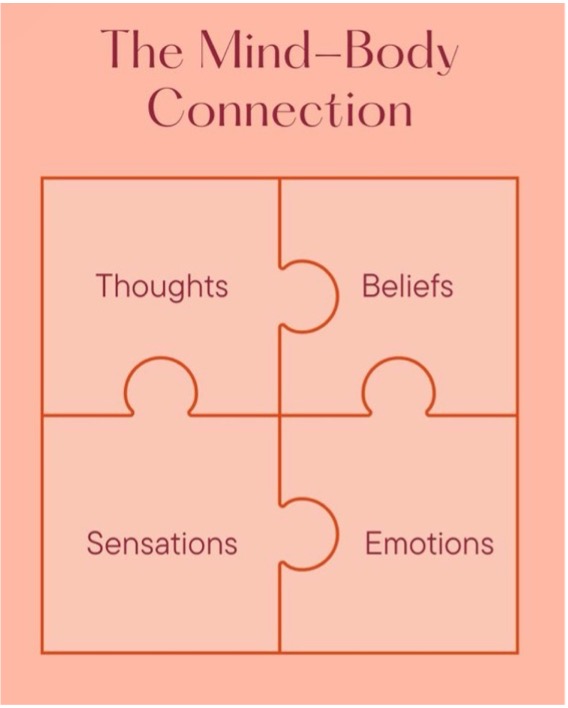
For children, who may struggle to understand their condition, this ongoing stress can result in emotional overwhelm. It’s not uncommon for them to experience heightened anxiety, difficulty concentrating, or disturbed sleep. These symptoms often create a vicious cycle where emotional stress worsens physical symptoms and vice versa. Understanding the mind-body connection can help parents provide better support for their children.
Emotional Responses and Chronic Illness
Children with chronic illness often feel trapped by their condition. They may develop thoughts like, “This will never get better” or “I can’t cope,” which further activate their stress response. The ongoing nature of chronic illness can make them feel out of control, leading to anxiety. The nervous system can remain on high alert, perceiving everyday situations as threats due to the ongoing discomfort.
 Parents can play a key role in breaking this cycle by acknowledging their child’s emotional experience. Providing psychoeducation about the mind-body connection can help children make sense of their symptoms, offering them some control in how they respond. Helping children understand that their body’s reactions to stress is normal can alleviate some of their fear and anxiety.
Practical Tips for Parents to Support Resilience
 Teach Relaxation Techniques: Introducing simple breathing exercises can help children manage their stress response. These techniques allow them to reset their nervous system, which can reduce both emotional and physical discomfort.
- Create a Safe Environment: Children with chronic illness need to feel secure, especially when their bodies may feel unpredictable. Establishing routines and open conversations about their symptoms can foster emotional safety. Letting them express their worries without fear of judgment helps them feel understood.
- Model Emotional Regulation: Parents can show their children how to handle stressful moments by modelling calm and collected behaviour. When children see their parents manage emotions effectively, they learn to do the same, even when their illness feels overwhelming.
- Encourage Connection: Children with chronic illness can sometimes feel isolated from their peers. Facilitating opportunities for social interaction, whether through structured playdates, support groups, or team activities, can help them maintain important connections and feel less alone.
- Balance Activity and Rest: It’s crucial to help children listen to their bodies and strike a balance between being active and getting adequate rest. Learning to respect their limits can prevent them from overexerting themselves, which can worsen symptoms, while also ensuring they stay engaged with the world around them

Navigating the Mind-Body Connection
When children live with chronic illness, it’s easy for their physical symptoms to take the spotlight, but their emotional and psychological well-being plays an equally important role. Chronic stress and nervous system dysregulation can exacerbate their condition, creating a continuous loop of discomfort and anxiety. However, with the right strategies and support, children can learn to manage both the physical and emotional challenges of their illness.
Parents can make a meaningful difference by teaching their children practical coping mechanisms, offering emotional safety, and fostering resilience. While chronic illness presents ongoing challenges, addressing the mind-body connection can help children regain a sense of control and improve their overall quality of life.