
BY: Aaron Verty
Uncategorized
Comments: No Comments
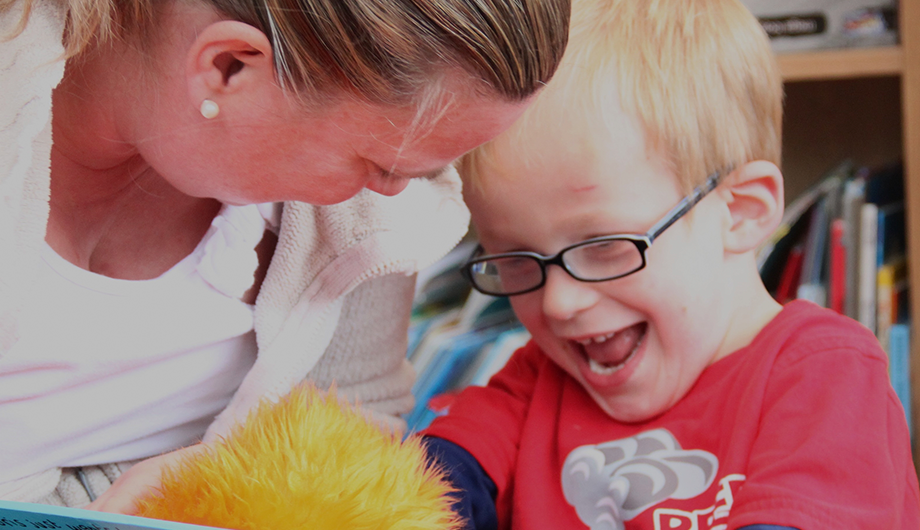
There are moments in parenting where behaviour can feel overwhelming, especially when it seems to come out of nowhere. But often, behaviour isn’t random, it’s a form of communication. For many children, particularly when language is still developing, behaviour becomes the way they express their needs, feelings, or frustrations. When a child doesn’t yet have the tools to say what they need, their actions often speak for them.
Communication and behaviour are closely connected, so when children struggle to express themselves clearly, frustration can build pretty quickly, and that frustration might show up as meltdowns, avoidance, or resistance. Research shows that when communication is difficult, the likelihood of challenging behaviour increases. Understanding this can help shift the focus from “Why is this happening?” to “What might my child be trying to tell me?”
When children start to feel understood, even in small ways, it can make a real difference. Being able to express a need or having someone respond to their attempt at communication can reduce that feeling of being unheard. Over time, this can lessen the need for behaviour to take over as the main way of communicating.
As communication skills begin to grow, children often find more appropriate ways to get their needs met. Instead of relying on behaviour, they might start to ask for help, request a break, or show what they want in clearer ways. These changes don’t happen all at once, but even small shifts can make everyday moments feel a bit easier.
Communication also plays a big role in emotional expression. Children don’t always have the words for big feelings, and without a way to express them, those emotions can come out through behaviour. Supporting communication gives them a starting point to label and share how they feel, even if it’s just in a simple way at first.
You might notice that when communication improves, everyday interactions start to feel smoother. Things like asking for something, sharing a moment, or responding to each other can become less stressful and more positive. It doesn’t mean everything is perfect, but it can take some of the pressure off.
Consistency can really help here too. When the same communication approaches are used across daily routines, children begin to recognise patterns and feel more secure in what to expect. That sense of predictability can help reduce confusion and support calmer responses.
Over time, as children develop stronger ways to express themselves, they often become more independent. Instead of relying on others to figure out what they need, they start to communicate it more clearly on their own. This can reduce frustration for everyone and build their confidence.
At the heart of it all, communication is about connection. When children feel heard and understood, it strengthens trust and the relationship you share. And while progress might feel slow at times, those small moments of understanding really do add up to something meaningful.