
BY: Aaron Verty
Uncategorized
Comments: No Comments
The Importance of Communication in the Home
Sometimes the hardest part of parenting isn’t the behaviour itself, it’s the feeling that your child is trying to communicate something important and you’re not quite sure what it is. For our children, this often happens when they know what they want or feel but don’t yet have the words or tools to communicate it clearly.
For parents, it can feel equally difficult when you are trying to understand your child and support them, but the message still feels lost somewhere in between. These moments can leave both sides feeling overwhelmed. As therapists, we see this often, and it’s important to recognise that this experience is very human. Both the child and the parent are trying to connect.
When the path to understanding just needs a little guidance, it doesn’t mean something is wrong with the relationship; it simply means the bridge between understanding one another needs a little more support. The good news is that communication is a skill that can grow, and with the right support, difficult moments can slowly turn into moments of connection.
When communication is difficult, behaviour often becomes the way a child’s message is heard. What may appear as challenging behaviour is often a child trying to communicate something important. This can look like meltdowns, dysregulation, avoidance, or heightened agitation. It is also very common for behaviours to change depending on the setting. A child may respond one way at school, another at home, and differently again with therapists. As therapists, we work alongside families to understand what behaviour may be communicating and help children develop the tools they need to express themselves more clearly.
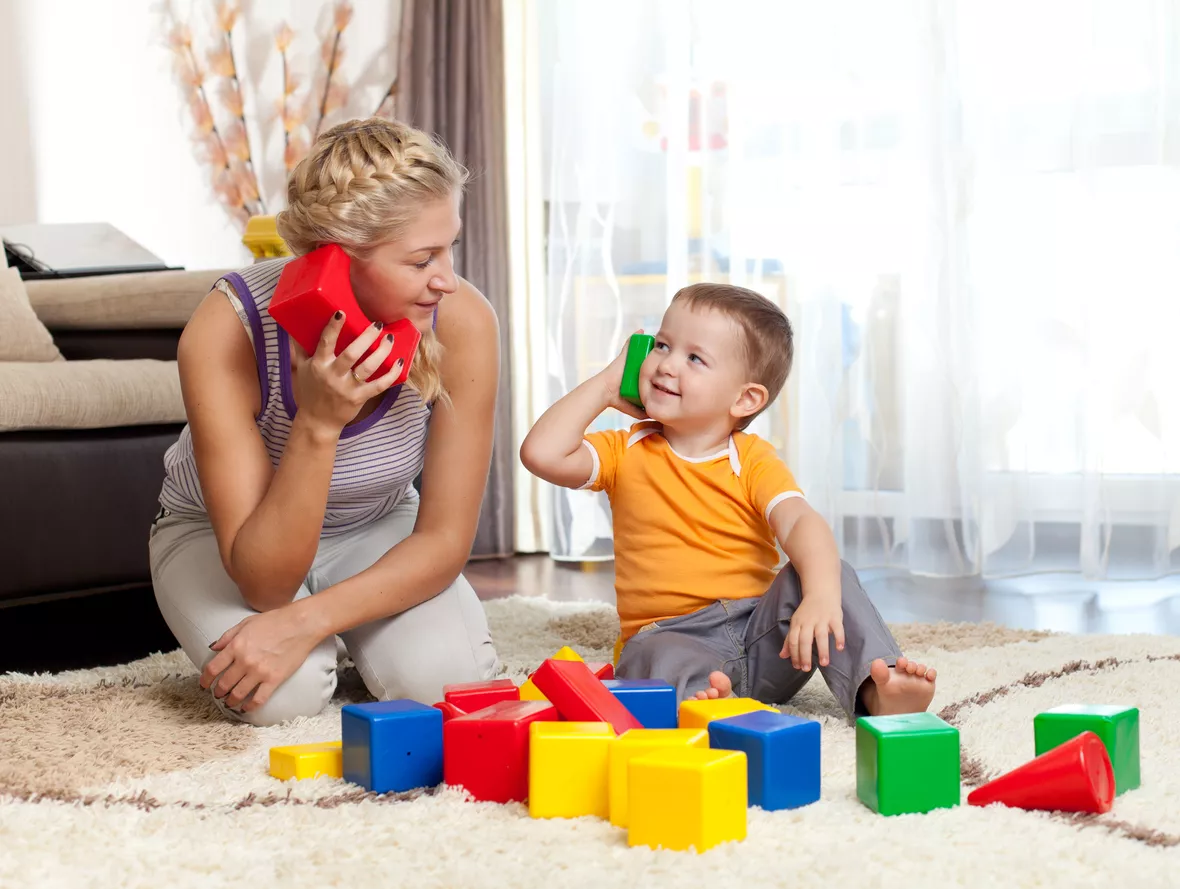
Many communication skills grow during normal daily activities, such as mealtimes, playtime, getting dressed, or bedtime. As therapists, we can help parents recognise these natural opportunities and show simple ways to encourage children to request, label, or express their needs during these moments.
Sometimes the most effective support is simply seeing what works. We can demonstrate practical strategies such as pausing to give children time to respond, offering simple choices, or expanding on the words a child uses. These small changes can make a big difference, and once we see them in action, they become powerful tools that families can use naturally throughout the day.
When behaviour that challenges others emerges, it can feel confusing or overwhelming. We are here to help families see beyond the behaviour and consider what the child may be trying to communicate. Understanding the “why?” behind behaviour often makes it easier to respond calmly and effectively.
Consistency is one of the most powerful tools in supporting communication development. When families use the same approaches that are practised in sessions, children begin to recognise patterns and expectations, making it easier for them to practise new communication skills throughout the day.
Communication development often happens in small steps. Therapists help families recognise and celebrate those moments, whether it’s a child pointing to a request, using a new word, or expressing a feeling. These small wins build confidence for both the child and the family.
At the heart of it all, communication is about connection. When families feel supported and confident using strategies at home, children are given more opportunities to express themselves, be understood, and feel heard in the moments that matter most.